I was halfway through a midnight snack run, juggling a bag of stale bread, a half‑roasted chicken, and a rogue jar of honey, when the kitchen exploded into a sweet, sticky mess. The honey dripped onto the countertop like syrupy confetti, the chicken left a greasy trail, and the bread was suddenly a charred, crumbling ruin. In that frantic moment, I stared at a sheet of puff pastry in the fridge and thought, “If only I had something buttery, flaky, and ready to transform this disaster into a masterpiece.”
Picture the scent of butter melting into the air, the faint crackle of dough as it heats, the gentle hum of the oven timer. Hear the rhythmic thud of a rolling pin, feel the buttery sheets slide between your fingers, taste the subtle tang of goat cheese mingling with the natural sweetness of figs. Each of those senses is a thread in the tapestry of this recipe, weaving together a dish that feels like a warm hug from a pastry chef’s secret notebook.
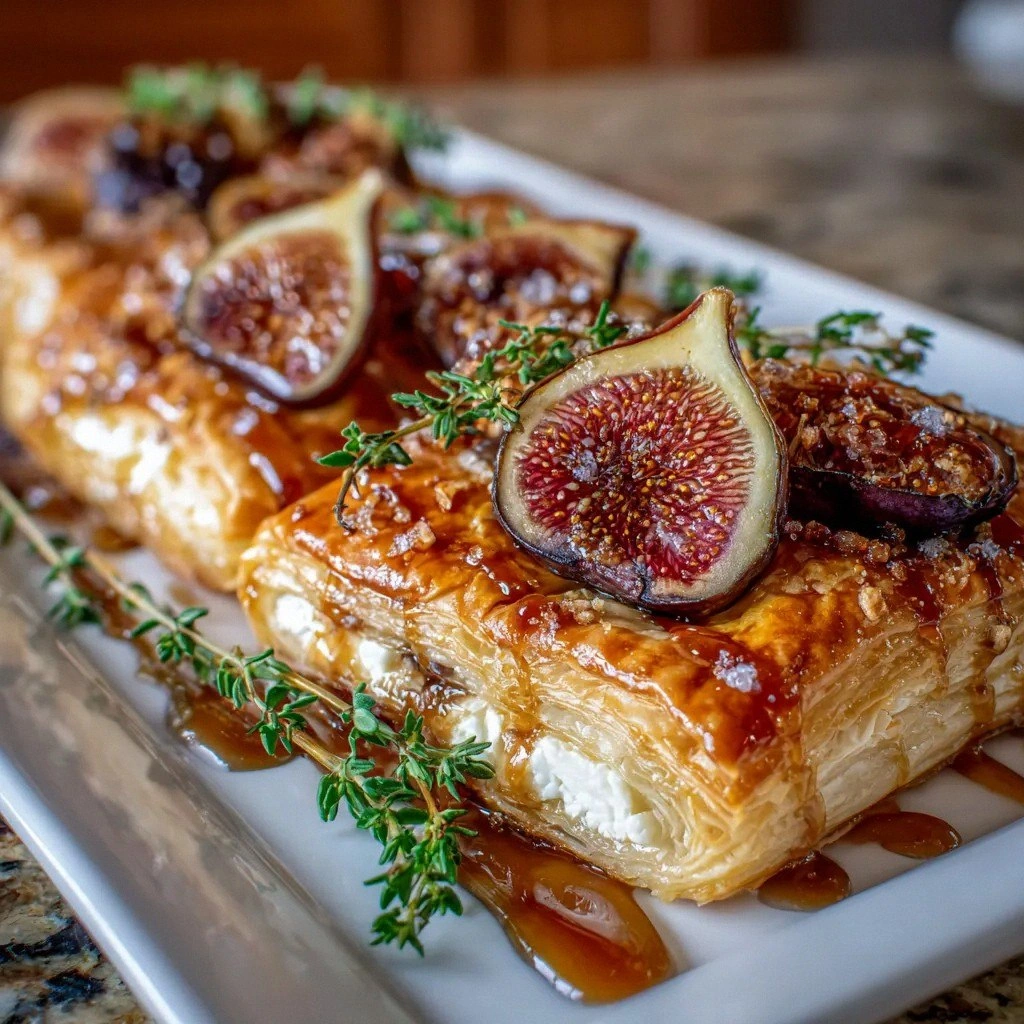
What makes this version stand out? It’s not just the combination of flavors—though the buttery puff pastry, tangy goat cheese, and sweet figs are a match made in culinary heaven. It’s the way each element is treated: the pastry is pre‑baked to lock in crispness, the figs are sliced to release juices that mingle with honey, and the thyme is sprinkled for an herbal whisper that lifts the whole thing. It’s a dish that feels both sophisticated and approachable, a crowd‑pleaser that will have people asking for the recipe before the last bite.
I dare you to taste this and not go back for seconds. I’ve been told that this is hands down the best version you’ll ever make at home, and that claim is not hyperbole; it’s a promise of buttery layers, creamy cheese, and fruit that practically melts. The secret? A simple egg wash that turns the pastry into a golden, glossy shell, and a touch of thyme that adds a green, fragrant counterpoint to the figs.
If you've ever struggled with puff pastry—getting it flaky, avoiding soggy centers—you’re not alone. I’ve had my share of half‑baked, over‑baked, and even burnt pastries. But this technique, coupled with the right timing, ensures each puff is crisp on the outside and tender on the inside. Picture yourself pulling this out of the oven, the whole kitchen smelling incredible, and the pastries shattering like thin ice under your fork.
Okay, ready for the game‑changer? I’ll walk you through every single step. By the end, you’ll wonder how you ever made it any other way. Let’s dive into the details that make this recipe unforgettable.
What Makes This Version Stand Out
- Flaky Texture: The puff pastry is pre‑baked to lock in air pockets, giving each pastry a light, airy interior that contrasts beautifully with the dense goat cheese.
- Balanced Sweetness: Honey is used sparingly, just enough to bind the figs without overpowering the tang of the cheese.
- Herbal Elevation: Fresh thyme provides an aromatic lift, turning a simple pastry into a fragrant, gourmet bite.
- Visual Appeal: The golden crust and glossy sheen from the egg wash create a presentation that looks as good as it tastes.
- Time‑Efficient: The entire process from prep to bake takes less than 45 minutes, making it ideal for weeknight appetizers or weekend brunches.
- Make‑Ahead Friendly: These pastries can be assembled a day ahead and frozen, then baked fresh when you’re ready.
- Universal Appeal: Whether you’re a seasoned baker or a kitchen rookie, the method is straightforward and forgiving.
Alright, let's break down exactly what goes into this masterpiece. And before we go any further, here’s a quick kitchen hack to keep the pastry from drying out.
Inside the Ingredient List
The Flavor Base
Puff Pastry: The star of the dish, providing a flaky, buttery base that encases the filling. It’s a canvas that absorbs the sweet and savory notes without becoming soggy. If you skip the pre‑baking step, the pastry will release moisture into the filling, resulting in a denser, less airy product. For a richer flavor, choose a high‑quality brand with real butter; homemade puff pastry is even better, but takes more time.
Goat Cheese: Adds creaminess and a tangy flavor that pairs perfectly with the sweetness of the figs. The cheese’s slight acidity cuts through the honey’s richness, creating a balanced bite. If you’re not a fan of goat cheese’s distinct taste, try a mild ricotta or a brie for a different profile, but note that the tang will be less pronounced.
The Texture Crew
Fresh Figs: Contribute natural sweetness and a soft texture, enhancing the overall flavor profile. The figs should be ripe but still firm; overripe figs can become mushy and lose their shape. If you’re out of fresh figs, dried figs can be used, but rehydrate them in warm water for 15 minutes and squeeze out excess moisture before using.
Honey: Adds a touch of sweetness and helps to bind the filling together. A light, floral honey works best; darker varieties can dominate the subtle flavors. If you prefer a vegan version, maple syrup or agave nectar can substitute, but adjust the amount to taste.
The Unexpected Star
Fresh Thyme: Introduces an aromatic element that elevates the dish and complements the other flavors. Thyme’s earthy undertones add depth, preventing the pastry from feeling flat. If thyme is unavailable, oregano or basil can work, but thyme’s subtlety is irreplaceable.
Egg Wash: A mixture of beaten egg and water that gives the pastries a shiny, golden finish when baked. The egg wash also seals the pastry, preventing it from drying out. Use a single egg for 4 pastries; if you’re vegan, a splash of soy milk will give a similar sheen.
Everything's prepped? Good. Let's get into the real action.
The Method — Step by Step
- Preheat the oven to 400°F (200°C). Line a baking sheet with parchment paper and set aside. This step ensures the pastry starts baking at the right temperature, preventing uneven browning. If you’re using a convection oven, lower the temperature by 25°F to avoid over‑browning.
- Prepare the pastry by cutting the sheet into 8 equal squares. Use a sharp knife or a pastry cutter to get clean edges. A knife is preferable for a crisp finish; a cookie cutter can give a uniform shape but may cut too deep into the layers.
- Brush each square with egg wash (one beaten egg mixed with a tablespoon of water). This creates a glossy, golden crust that also seals the pastry. The egg wash should be applied lightly; too much can cause the pastry to become soggy.
- Arrange the pastry squares on the prepared baking sheet, leaving a small gap between each to allow expansion. Pre‑bake for 5 minutes until the edges start to lift but the centers remain pale. This step locks in the layers and prevents them from flattening during the filling stage.
- Prepare the filling by mixing goat cheese with honey and a pinch of salt. The honey should be warm enough to dissolve into the cheese, creating a smooth, cohesive mixture. If the cheese is too firm, let it sit at room temperature for 5 minutes before mixing.
- Slice the figs into thin wedges. Arrange a fig wedge on each pastry square, then dollop a spoonful of the cheese‑honey mixture on top. Sprinkle a few thyme leaves over each pastry for that aromatic lift. This layering creates a sweet‑savory contrast that’s almost cinematic.
- Finish with a final brush of egg wash to seal the edges and give an extra shine. Place the baking sheet in the oven and bake for an additional 10–12 minutes, until the pastry is golden brown and the cheese has melted slightly. Keep an eye on the pastries; they can brown quickly if the oven is too hot.
- Cool slightly before serving. Let the pastries rest on a wire rack for 5 minutes; this allows the cheese to set and the pastry to firm up, preventing a soggy bite. Serve warm, optionally with a drizzle of extra honey or a sprinkle of fresh thyme for an extra touch.
That’s it — you did it. But hold on, I've got a few more tricks that'll take this to another level. Keep reading for insider tips that will make your pastries flawless every time.
Insider Tricks for Flawless Results
The Temperature Rule Nobody Follows
Many bakers think that a high oven temperature is always better for puff pastry, but that’s a myth. Baking at 400°F (200°C) allows the layers to expand gradually, preventing the pastry from puffing too quickly and collapsing. If you use a lower temperature, the pastry will stay flaky but might not brown enough, resulting in a pale finish. For a golden crust, finish the last 2 minutes at 425°F (220°C) while keeping a close eye on the pastries.
Why Your Nose Knows Best
A burnt pastry will always smell like regret. Trust your nose to detect the moment the butter starts to smoke; at that point, pull the pastries out of the oven. The aroma of fresh, butter‑rich dough is a reliable indicator of perfection. If the pastries emit a sharp, acrid scent, they’re over‑cooked and will taste burnt.
The 5‑Minute Rest That Changes Everything
After baking, let the pastries rest on a wire rack for exactly five minutes. During this rest, the cheese inside continues to set, and the pastry’s outer layer firms up, preventing a soggy bite. Skipping this step can leave your pastries limp, especially if you’re serving them hot.
The Secret to a Crisp Edge
If you want a more pronounced crunch, sprinkle a tiny pinch of sea salt on the pastry edges before baking. The salt draws out moisture from the dough, creating a crispier perimeter. This trick is especially effective when using pre‑made puff pastry, which can be a bit softer than homemade.
The Quick Fix for a Sticky Filling
Should your goat cheese mixture become too sticky, add a tablespoon of plain yogurt or a splash of milk to loosen it. This keeps the filling from seeping into the pastry and maintains a clean, neat appearance. It also adds a subtle tang that complements the figs.
Creative Twists and Variations
Savory Spin with Prosciutto
Wrap a thin slice of prosciutto around each pastry before adding the fig and cheese filling. The salty, cured meat adds depth and a savory counterpoint to the sweet figs. This version is perfect for a brunch spread or a sophisticated appetizer.
Vegan Version with Cashew Cream
Swap goat cheese for a homemade cashew cream blended with lemon juice and a pinch of salt. This creamy, dairy‑free alternative delivers the same silky texture and tang, making the dish suitable for vegans without compromising flavor.
Herbal Boost with Rosemary
Replace thyme with rosemary for a piney, aromatic twist. The rosemary’s woody notes pair wonderfully with figs, creating a Mediterranean vibe. Use fresh rosemary to keep the flavor bright and avoid the bitterness of dried herbs.
Sweet & Smoky with Chipotle Honey
Infuse the honey with a pinch of chipotle powder before mixing it into the cheese. The smoky heat balances the fruit sweetness and adds a modern, spicy kick. This variation is ideal for those who enjoy a bit of heat in their pastries.
Mini Puff Pockets for Kids
Cut the pastry into smaller squares and use a cookie cutter to shape them into fun shapes like stars or hearts. Kids will love the playful presentation, and the smaller size makes them less likely to spill the filling. This is a great way to involve children in the cooking process.
Gluten‑Free Adaptation
Use a pre‑made gluten‑free puff pastry, available in most grocery stores, and follow the same method. The texture will be slightly different, but the flavor profile remains intact. Ensure the pastry is chilled before cutting to preserve the layers.
Storing and Bringing It Back to Life
Fridge Storage
Store the baked pastries in an airtight container at room temperature for up to 2 days. The pastry will remain crisp if kept in a dry environment; avoid placing it in a humid area, which can soften the crust. If you notice the pastry softening, place a paper towel in the container to absorb excess moisture.
Freezer Friendly
Wrap each pastry individually in plastic wrap and place them in a freezer bag. They can be frozen for up to 3 months. Thaw at room temperature for 30 minutes before reheating; this prevents condensation from forming on the pastry.
Best Reheating Method
Reheat in a pre‑heated oven at 350°F (175°C) for 5 minutes, or until warm. Add a splash of water to the baking sheet to create steam, which helps restore the pastry’s crispness. Avoid microwaving, as it will make the pastry soggy and the cheese rubbery.