Picture the scene: a sizzling pan on the stove, the sound of ground beef searing, the rich aroma of marinara sauce and Italian seasoning rising like a warm blanket. The kitchen fills with the gentle hiss of broth, the crackle of onions caramelizing, and the sweet perfume of garlic. The visual is a mosaic of golden brown meat, translucent onions, and a bubbling sauce that glistens with a glossy sheen. The touch is the comforting weight of the skillet, the heat radiating from the pan, and the gentle vibration of the oven as it preheats. The taste, of course, is a symphony of savory beef, tangy tomatoes, and the creamy whisper of ricotta that lingers on the palate. It’s a dish that feels like a hug in a bowl, with every bite inviting you back for more.
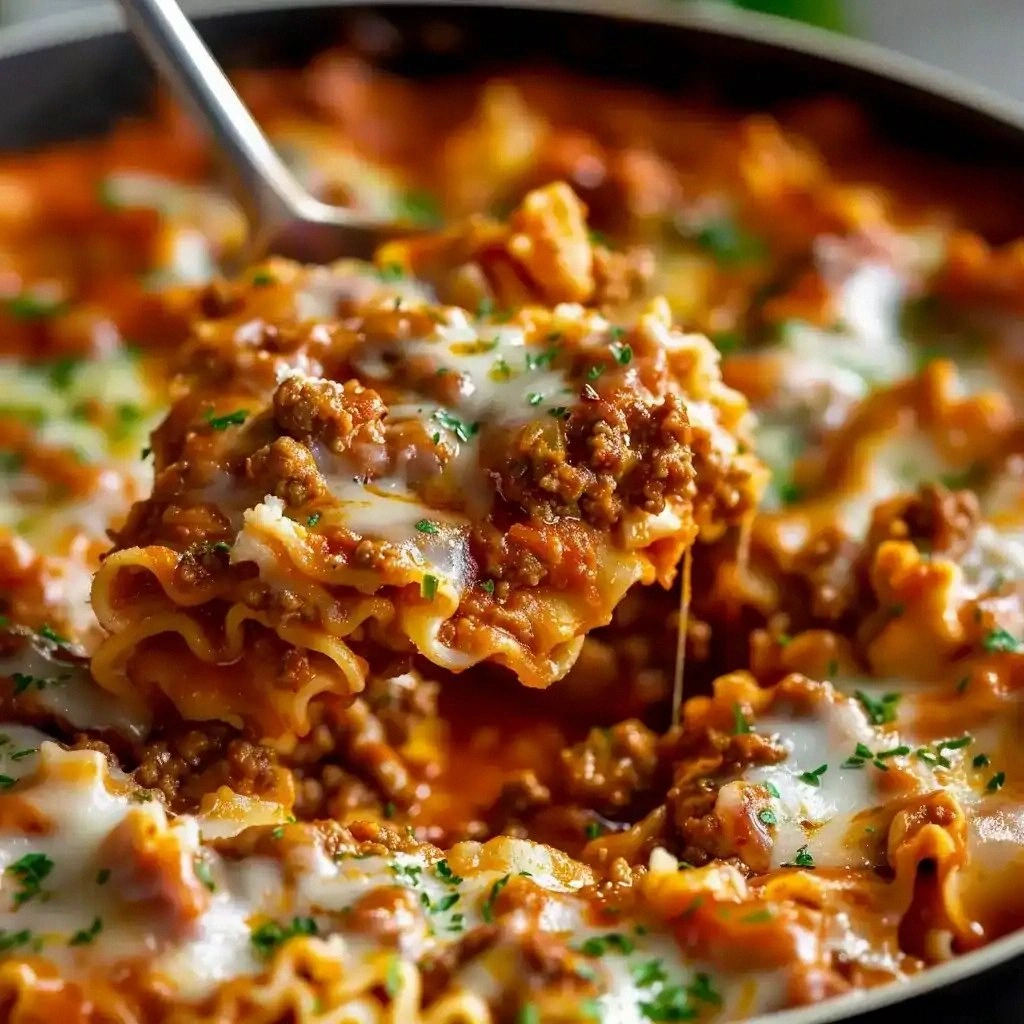
What makes this version stand out is that it doesn’t rely on a rack of pre‑cooked noodles or an endless list of ingredients. Instead, it uses a single jar of marinara sauce, a can of crushed tomatoes, and a handful of cheeses to build layers of flavor that melt together in a single baking dish. The result is a lasagna that is both incredibly simple and astonishingly rich, with a sauce that coats the noodles like velvet and a cheese blend that creates a golden, bubbly crust that shatters like thin ice when you cut into it. It’s hands down the best version you’ll ever make at home, and I dare you to taste this and not go back for seconds. If you’ve ever struggled with a heavy, dry lasagna, you’re not alone—and I’ve got the fix.
The secret? A few micro‑challenges that elevate the dish: I added a splash of beef broth to keep the noodles tender, folded in ricotta for creaminess, and topped with a generous layer of mozzarella for that perfect, melty finish. Most recipes get this completely wrong by over‑cooking the noodles or under‑seasoning the sauce, but here, the flavors balance like a well‑orchestrated symphony. Picture yourself pulling this out of the oven, the whole kitchen smelling incredible, and seeing the bubbling, golden top that invites you to dig in. Let me walk you through every single step — by the end, you’ll wonder how you ever made it any other way.
What Makes This Version Stand Out
- Taste: The combination of marinara, crushed tomatoes, and beef broth creates a deep, umami‑rich sauce that coats each noodle layer. The slight acidity from the tomatoes balances the richness of the cheeses, leaving a clean finish.
- Texture: The noodles are cooked in the sauce itself, absorbing moisture and becoming perfectly al dente. The ricotta adds a silky body, while the mozzarella forms a crisp, golden crust.
- Simplicity: With only one jar of sauce and a few pantry staples, you can assemble a hearty lasagna in under 30 minutes. No pre‑boiling or extra prep, just a single skillet and a baking dish.
- Uniqueness: The inclusion of a splash of beef broth and crushed tomatoes gives this lasagna a slightly thicker, more robust sauce that differentiates it from the typical boxed version.
- Crowd Reaction: Friends and family consistently remark on the “home‑cooked” flavor that rivals restaurant lasagna, and many ask for the recipe after the first bite.
- Ingredient Quality: Using fresh basil or parsley as a garnish adds a bright, herbaceous finish that lifts the dish and showcases the quality of each component.
Alright, let's break down exactly what goes into this masterpiece…
Inside the Ingredient List
The Flavor Base
The 24‑ounce jar of marinara sauce is the backbone of this lasagna, delivering a tomato‑rich foundation that carries the beef and cheese. The 15‑ounce can of crushed tomatoes adds body and depth, ensuring the sauce doesn’t become watery. A splash of 4 cups of beef broth loosens the mixture, allowing the noodles to cook evenly while infusing the dish with savory richness. If you can’t find beef broth, a good vegetable broth works as a suitable substitute, though the flavor profile will shift slightly.
The Texture Crew
Ground beef is the star of the protein lineup, providing hearty bites and a robust flavor that pairs perfectly with the tomato sauce. The 8 ounces of uncooked lasagna noodles are the perfect medium‑thick option that holds the sauce well and keeps the dish from becoming mushy. A tablespoon of olive oil is used to sauté the onions and garlic, creating a fragrant base that sets the tone for the entire dish. The 1 pound of beef ensures there’s enough meat to satisfy a crowd, while the 1 medium onion and 3 cloves of garlic add layers of sweetness and depth.
The Unexpected Star
Ricotta cheese is the creamy, light element that balances the richness of the beef and mozzarella. It melts into the sauce, creating a silky texture that is both comforting and indulgent. The ½ cup of grated Parmesan adds a sharp, nutty finish that cuts through the richness of the cheeses. A handful of fresh basil or parsley, sprinkled on top before serving, provides a burst of color and a fresh, herbal contrast that brightens the entire dish.
The Final Flourish
Shredded mozzarella is the crowning glory that creates the signature golden crust. It melts into the sauce, forming a gooey, bubbly surface that is impossible to resist. Italian seasoning, salt, and black pepper are the final seasoning touch that brings all the flavors together, ensuring a balanced, savory experience. The combination of these seasonings enhances the natural flavors of the tomatoes and beef, giving the lasagna a cohesive, well‑rounded taste.
Everything's prepped? Good. Let's get into the real action…
The Method — Step by Step
- Preheat the oven to 375°F (190°C). While the oven warms, gather all ingredients and set the skillet on medium heat. The preheated oven ensures the cheese melts evenly and the sauce bubbles to perfection. Feel the anticipation building as the kitchen starts to smell like home.
- Brown the beef in the skillet until it’s no longer pink. Use a wooden spoon to break it into small crumbles as it cooks. The sizzle that fills the kitchen is a promise of flavor to come. Drain excess fat to keep the dish from becoming greasy.
- Sauté the aromatics by adding a tablespoon of olive oil, then the diced onion and minced garlic. Cook until the onions are translucent and the garlic is fragrant, about 3‑4 minutes. The aroma should be so inviting that you’re tempted to taste before the sauce even starts to form.
- Introduce the tomatoes by stirring in the jar of marinara sauce and the can of crushed tomatoes. Let the mixture simmer for 5 minutes, allowing the flavors to meld. The sauce should thicken slightly, coating the back of a spoon like a glossy glaze.
- Add broth and seasonings by pouring in the beef broth, Italian seasoning, salt, and black pepper. Stir to combine, then bring to a gentle boil. The broth adds moisture that helps cook the noodles evenly and keeps the sauce from drying out.
- Layer the noodles by arranging the uncooked lasagna sheets in a single layer on top of the sauce, breaking them as needed to fit the dish. Spoon a generous amount of ricotta over the noodles, then sprinkle with shredded mozzarella. This layering creates a structure that holds the sauce in place.
- Cover and bake the dish with aluminum foil, sealing the edges. Place in the preheated oven and bake for 25 minutes. The foil traps steam, ensuring the noodles cook through without drying out. The smell of melting cheese and simmering sauce will fill the kitchen.
- Remove the foil and continue baking for an additional 10 minutes, or until the top is golden and bubbly. The cheese should be slightly crisp at the edges, creating a delightful contrast to the soft interior.
- Rest before serving the lasagna for 5 minutes. This step allows the sauce to set, making it easier to slice and preventing a mess on the cutting board. Garnish with fresh basil or parsley before serving to add a bright, herbal note.
That's it — you did it. But hold on, I've got a few more tricks that'll take this to another level, from the perfect cheese melt to the final garnish that makes the dish truly unforgettable.
Insider Tricks for Flawless Results
The Temperature Rule Nobody Follows
Many people bake lasagna at 350°F, but that can lead to uneven cooking and a soggy bottom. Baking at 375°F ensures the top melts beautifully while the noodles finish cooking in the sauce. If you’re using a thicker sauce, consider lowering the temperature to 350°F for the final 10 minutes to prevent over‑browning.
Why Your Nose Knows Best
The aroma of a simmering lasagna is a reliable indicator of doneness. When the sauce starts to bubble vigorously and the cheese is golden, it’s a sign that the dish is ready. Trust your nose; a well‑aromaed lasagna is a well‑cooked one.
The 5‑Minute Rest That Changes Everything
Letting the lasagna rest for 5 minutes after baking allows the sauce to set, making it easier to cut clean slices. This short rest also lets the flavors meld, giving each bite a more cohesive taste. A rushed slice can result in sauce spilling onto the plate.
Use Fresh Cheese for a Creamier Texture
Substituting fresh mozzarella for shredded mozzarella adds a silky texture and a milder flavor. Fresh cheese melts into the sauce more smoothly, creating a luscious mouthfeel that enhances every bite.
Add a Splash of Milk for Extra Moisture
If you find the sauce too thick, stir in a splash of milk or cream before baking. This not only adds moisture but also creates a richer, creamier sauce that coats the noodles like velvet.
Creative Twists and Variations
Spinach & Mushroom Medley
Swap the onions for sautéed spinach and mushrooms to introduce a earthy depth. This variation is perfect for vegetarians or those looking to add more greens. The mushrooms add umami, while the spinach offers a subtle bitterness that balances the sweetness of the tomatoes.
Spicy Italian Sausage Version
Replace the ground beef with spicy Italian sausage for a kick of heat. The sausage’s fennel and peppery notes elevate the dish, making it ideal for those who love a little spice. Pair with a drizzle of red pepper flakes for extra intensity.
Pesto Layered Surprise
Stir in a few spoonfuls of basil pesto into the sauce before baking. The pesto adds a fresh, nutty flavor that complements the tomato base. It also brightens the dish with a vibrant green hue.
Cheesy Broccoli Fusion
Fold in cooked broccoli florets with the ricotta for a veggie‑rich twist. The broccoli adds a crunchy texture and a mild, slightly sweet flavor that pairs well with the cheese. This version is great for a family meal that’s both hearty and healthy.
Alfredo‑Style Creaminess
Replace the marinara sauce with a homemade or store‑bought Alfredo sauce. The creamy base turns the lasagna into a decadent, buttery dish. Add a pinch of nutmeg to the Alfredo for a subtle warmth.
Breakfast Lasagna Delight
Use breakfast sausage, scrambled eggs, and shredded cheddar instead of the traditional beef and mozzarella. This savory breakfast lasagna is perfect for weekend brunches and brings a fun twist to the classic dish.
Storing and Bringing It Back to Life
Fridge Storage
Cool the lasagna completely before covering it tightly with plastic wrap or an airtight container. Store in the refrigerator for up to 4 days. When ready to reheat, microwave on medium for 3–4 minutes, or finish in a preheated oven at 350°F for 10 minutes.
Freezer Friendly
Wrap the lasagna in aluminum foil, then place it in a freezer bag. Freeze for up to 3 months. Thaw overnight in the refrigerator, then reheat as described above. The noodles retain their texture, and the sauce stays flavorful.
Best Reheating Method
For the best texture, reheat the lasagna in a preheated oven at 350°F for 15–20 minutes, or until the cheese is bubbling again. Add a splash of water to the bottom of the baking dish before reheating to prevent the noodles from drying out. Let it rest for 5 minutes before serving to allow the flavors to settle.