Picture this: I was scrambling to salvage a dinner that had gone sideways, and the only thing that could rescue the evening was a handful of gnocchi, a slice of chorizo, and an adventurous splash of harissa paste. The kitchen was a chaotic symphony of sizzling onions and garlic, the air thick with the promise of something unforgettable. I laughed at my own culinary mischief, because that’s how I roll when the stove is on fire and the pantry is a battlefield. The result? A creamy, spicy, garlicky masterpiece that made me question every other gnocchi recipe I’d ever seen. I dare you to taste this and not go back for seconds, because once you do, you’ll never settle for bland again.
That first bite was a revelation: the gnocchi were pillowy, the chorizo delivered a smoky crunch, and the harissa gave a fiery kiss that lingered on the tongue. The heavy cream wrapped everything in a velvety coat, while the Parmesan added a savory depth that pulled the flavors together. The sauce didn’t just sit on the pasta; it danced, clinging to each nodule like a silky, aromatic blanket. Every mouthful was a layered experience—sweetness from the onions, heat from the harissa, umami from the chorizo, and a subtle earthiness from the garlic. I could almost hear the skillet’s hiss as the onions caramelized, and I felt the gentle heat of the sauce against my palate. The dish felt like a hug from a friend who knows exactly what you need.
What makes this version stand out isn’t just the bold flavor profile; it’s the careful orchestration of textures and temperatures. The gnocchi are cooked to a tender center while maintaining a slight bite on the outside, creating a delightful contrast that keeps every bite exciting. The chorizo is browned until it’s crisp at the edges, offering a satisfying snap that breaks the cream’s softness. The harissa paste is the star, its smoky heat cutting through the richness of the cream without overwhelming the dish. The finished sauce glides over the gnocchi, coating them like velvet, and the Parmesan’s nutty finish leaves a lingering aftertaste that makes you reach for more. The result is a dish that feels both comforting and adventurous, a paradox that keeps diners coming back for more.
I’ve spent hours experimenting with different types of gnocchi, but the secret lies in using a lightly salted, high‑protein pasta that holds sauce beautifully. The chorizo’s fat renders out during cooking, adding depth and richness that the cream alone can’t achieve. Harissa, with its blend of chili, cumin, and coriander, brings an aromatic heat that is both familiar and exotic. The heavy cream, at room temperature, thickens the sauce just enough to cling to each gnocchi without becoming too heavy. Fresh herbs finish the dish, offering a bright, herbal contrast that lifts the entire flavor profile. Together, these elements create a dish that feels like a culinary masterpiece, yet is surprisingly easy to pull together in a single pan.
If you’ve ever struggled with gnocchi that turns mushy or sauce that doesn’t cling, you’re not alone—and I’ve got the fix. The trick is to avoid overcooking the gnocchi and to let the chorizo release its fat fully before adding the cream. This ensures the sauce has a base to thicken and a flavor foundation that’s robust. The harissa paste is the secret weapon; it adds heat and depth without the need for extra spices. The heavy cream’s thickness is balanced by a splash of pasta water, which helps the sauce adhere to the noodles. The final garnish of fresh herbs brings brightness, making the dish feel lively and fresh. These small adjustments turn an ordinary dinner into a showstopper.
I’ll be honest—after the first batch, I ate half the plate before anyone else got a chance to try it. That’s how irresistible the sauce is. The aroma alone can make a room feel like a restaurant. The texture is a dance of soft and crispy, with each bite delivering a new sensation. The flavor profile is a roller coaster of heat, creaminess, and savory notes, all balanced perfectly. The dish is so versatile that it can be served as a main course or a hearty side, depending on your mood. And the best part? It’s a one‑pan wonder that frees up the kitchen for other adventures.
Most recipes get this completely wrong by over‑sautéing the onions or adding the cream too early. The result is a sauce that clumps or a gnocchi that falls apart. The trick is to let the onions soften slowly, releasing their natural sweetness, and to wait until the chorizo has rendered its fat before adding the cream. This timing ensures that every component has the chance to shine. I’ve seen people add the cream at the start and end up with a thick, clumpy sauce that doesn’t coat the pasta. By waiting, you get a silky sauce that clings beautifully. This simple adjustment is the difference between a good dish and a great one.
Picture yourself pulling this out of the oven, the whole kitchen smelling incredible, and the family gathering around the table. The sound of the skillet’s hiss as the onions caramelize, the gentle pop of garlic, and the sizzling chorizo are the soundtrack of a memorable meal. The aroma of harissa mingles with the buttery richness, creating a heady perfume that lures everyone to the table. The sight of golden gnocchi, glistening in the creamy sauce, is a feast for the eyes. The first bite is a revelation, and the second is a confirmation that you’ve found a new favorite. By the end of the meal, you’ll be wondering how you ever made it any other way.
And now the fun part. I’m going to walk you through every single step, from the first sauté to the final garnish. By the time we’re done, you’ll have a dish that’s not only delicious but also showcases your culinary prowess. I’ll share micro‑challenges to test your skills and give you confidence in the kitchen. Ready? Let’s get started.
What Makes This Version Stand Out
- Bold Flavor: The harissa paste delivers a punch of heat that cuts through the cream without overpowering the dish, creating a balanced yet exciting flavor.
- Texture Contrast: Crispy chorizo edges provide a delightful crunch against the pillowy gnocchi, keeping each bite interesting.
- One‑Pan Simplicity: Everything cooks in a single skillet, saving you time and reducing cleanup.
- Rich Creaminess: The heavy cream coats the gnocchi like velvet, creating a silky mouthfeel that lingers on the palate.
- Fresh Finish: A sprinkle of fresh herbs adds brightness, balancing the richness and heat.
- Crowd‑Pleaser: The combination of heat, cream, and savory chorizo makes this dish a guaranteed hit at any gathering.
- Ingredient Quality: Using high‑quality chorizo and fresh harissa ensures depth of flavor that canned alternatives can’t match.
- Make‑Ahead Friendly: The sauce can be prepared ahead of time and reheated without losing its silky texture.
Alright, let’s break down exactly what goes into this masterpiece. The next section will walk you through each ingredient, why it matters, and how it contributes to the final dish.
Inside the Ingredient List
The Flavor Base
The small onion is the aromatic foundation of this dish. It provides a sweet counterpoint to the heat of the harissa and the richness of the cream. Sautéed until translucent, the onion releases its sugars, creating a natural sweetness that balances the savory elements. If you skip the onion, the dish loses depth, and the sauce can feel one‑dimensional. For an extra layer of flavor, try using a mix of red and white onions to add subtle color and sweetness variations.
The garlic, minced into fine cloves, adds a sharp, pungent aroma that permeates the sauce. Its bite is essential for cutting through the cream’s heaviness and providing a robust base. Garlic’s natural sweetness, when cooked, also complements the harissa’s smoky heat. If you’re sensitive to garlic, use only one clove, but keep the rest for the sauce’s full flavor profile. Fresh garlic always works better than pre‑minced; the aroma is unmistakable and more vibrant.
The Texture Crew
The gnocchi, a 1‑lb batch, are the star of the show. Their pillowy interior and slightly chewy exterior provide the perfect canvas for the sauce. Choosing a lightly salted, high‑protein gnocchi ensures the pasta holds its shape and doesn’t become mushy. If you’re using frozen gnocchi, give them a quick boil before adding them to the skillet to ensure they’re evenly cooked.
The chorizo, sliced into thin rounds, brings a smoky, slightly spicy flavor that deepens the dish. When browned, the chorizo releases its fat, which becomes the base of the sauce, adding richness and depth. If you prefer a milder heat, opt for sweet chorizo, but be prepared for a less intense flavor profile. The crisp edges of the chorizo add a satisfying crunch that contrasts with the soft gnocchi.
The Unexpected Star
The harissa paste is the unexpected star that transforms a simple pasta into a bold, adventurous dish. This North African chili paste is packed with smoked paprika, cumin, and coriander, offering a complex heat that is both spicy and aromatic. The paste’s deep color also gives the sauce a striking visual appeal. If you can’t find harissa, a blend of smoked paprika and a touch of cayenne pepper can mimic its flavor profile.
The heavy cream, at room temperature, is the silky binder that turns the sauce into a velvety coating. Its richness balances the heat of the harissa and the savory depth of the chorizo. Using fresh cream instead of a low‑fat version ensures the sauce remains thick and glossy. If you’re looking for a lighter version, substitute half the cream with Greek yogurt, but be cautious as it can curdle if added too early.
The Final Flourish
The grated Parmesan cheese adds a nutty, umami finish that rounds off the dish. It melts into the sauce, creating a subtle depth that enhances every bite. Sprinkle it on top right before serving to keep the cheese from melting into the sauce. If you’re vegan, a nutritional yeast sprinkle can provide a similar cheesy flavor.
Fresh herbs, whether parsley or basil, provide a bright, herbal note that lifts the dish. They add a pop of color and a fresh contrast to the creamy, spicy sauce. Toss the herbs in at the end of cooking to preserve their vibrant flavor and color. If you’re in a pinch, a pinch of dried oregano can work, but fresh herbs are always preferable.
Everything’s prepped? Good. Let’s get into the real action. The next section will walk you through each step with detailed timing and sensory checkpoints.
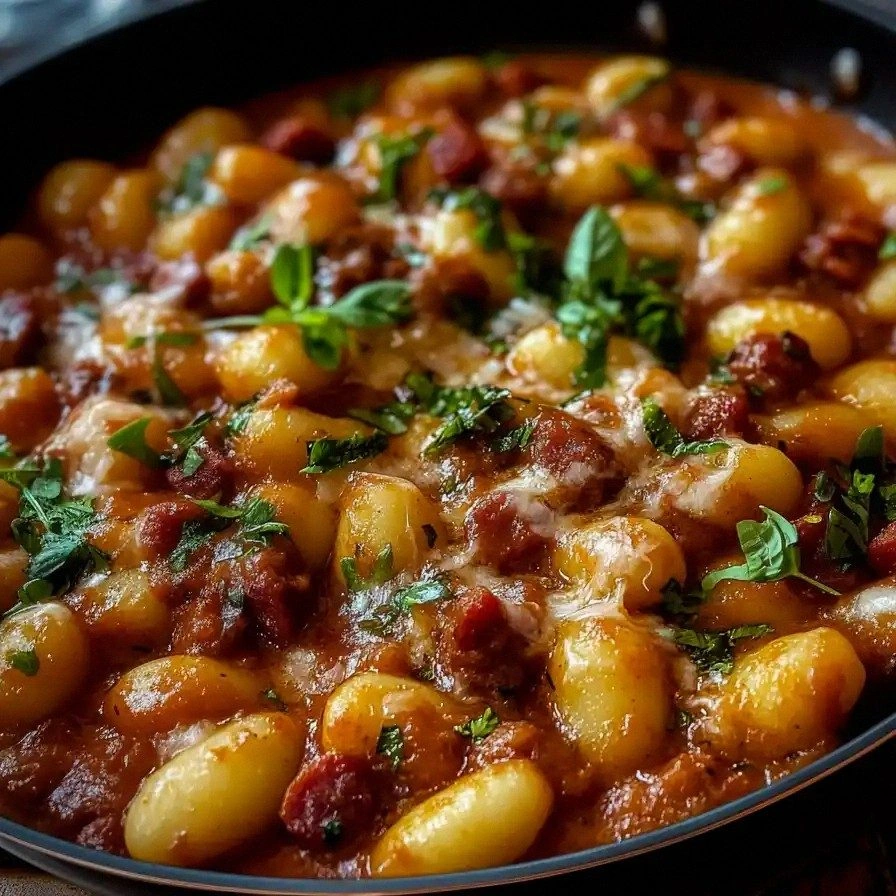
The Method — Step by Step
- Step 1: Prep the skillet. Heat a large skillet over medium heat and add 2 tablespoons of olive oil. Allow the oil to shimmer, but not smoke. This creates a slick surface for the chorizo and onions. Watch the oil heat; when it starts to ripple, you’re ready for the next step. The aroma will start to lift the senses.
- Step 2: Brown the chorizo. Add the sliced chorizo to the skillet and cook until the edges are crisp and the fat has rendered, about 3-4 minutes. Turn the slices to ensure even browning. The sizzling sound is a sign that the flavor is developing. Once browned, remove the chorizo with a slotted spoon and set aside on a paper towel to drain excess fat.
- Step 3: Sauté onions. In the same skillet, reduce heat to medium‑low and add the sliced onions. Cook, stirring occasionally, until they become translucent and slightly golden, about 5 minutes. The onions should soften without caramelizing too much; we want that gentle sweetness. If the pan looks dry, add a splash of water to keep the onions from sticking.
- Step 4: Add garlic. Toss in the minced garlic and sauté for 30 seconds until fragrant. Be careful not to let the garlic burn, or it will taste bitter. The garlic should release its aroma and add a subtle depth to the sauce. Stir constantly to ensure even cooking.
- Step 5: Introduce harissa. Stir in 2 tablespoons of harissa paste and cook for 1 minute, letting the paste bloom in the pan. The aroma will become more pronounced, and the sauce will take on a rich, smoky hue. This step is crucial for developing the dish’s signature heat. Make sure the paste is fully incorporated before adding the next ingredient.
- Step 6: Add heavy cream. Pour in 1 cup of heavy cream and stir to combine with the harissa and onions. Bring the mixture to a gentle simmer. The cream should thicken slightly, forming a silky sauce that coats the pan. Keep the heat low to avoid curdling. The sauce should look glossy and smooth.
- Step 7: Combine gnocchi and chorizo. Return the browned chorizo to the skillet and add the 1‑lb gnocchi. Toss everything together gently, ensuring the gnocchi are evenly coated with the sauce. Cook for 3-4 minutes, allowing the gnocchi to absorb some of the sauce. The gnocchi should be tender but still firm to the bite.
- Step 8: Finish with Parmesan and herbs. Sprinkle ½ cup grated Parmesan over the top and toss to melt into the sauce. Add a handful of fresh parsley or basil, chopping it roughly before tossing. The herbs will brighten the dish, cutting through the richness. Taste and adjust salt and pepper as needed. Serve hot, with extra Parmesan on the side if desired.
That’s it—you did it. But hold on, I’ve got a few more tricks that will take this dish from good to unforgettable.
Insider Tricks for Flawless Results
The Temperature Rule Nobody Follows
The key to a silky sauce is low, steady heat. Many cooks jump straight to high heat, causing the cream to curdle. Start the simmer at low heat and let the sauce thicken naturally. If it starts to bubble too aggressively, reduce the heat immediately. This simple step ensures a smooth, glossy finish that clings to the gnocchi.
Why Your Nose Knows Best
Smell is your best judge of doneness. As the onions caramelize, the aroma will shift from sharp to sweet. When the garlic releases its fragrance, it signals that the base is ready. A lingering, buttery scent means the cream has integrated fully. Trust your nose to guide you through each stage.
The 5‑Minute Rest That Changes Everything
After you finish cooking, let the skillet rest for five minutes before serving. This allows the flavors to meld and the sauce to thicken slightly. The gnocchi will settle, absorbing more of the sauce. When you serve, the dish will feel more cohesive and satisfying. The rest also gives the Parmesan a chance to melt into a creamy layer.
Use a Splatter Guard
When browning the chorizo, the fat can splatter and cause burns. A splatter guard not only keeps your stovetop clean but also reduces the risk of accidental burns. It’s a small tool that saves a lot of frustration and keeps the cooking process safe.
Add a Splash of Pasta Water
Reserve a cup of pasta cooking water before you drain the gnocchi. Adding a splash of this starchy water to the sauce helps it cling to the noodles and improves texture. The starch also helps thicken the sauce naturally, reducing the need for extra cream.
The Right Cut of Onion
Slicing the onion thinly instead of dicing it allows for even caramelization. Thin slices ensure a quick, even cook, preventing uneven sweetness. The thin cut also helps the onion release its sugars more efficiently, giving a richer base to the sauce.
Creative Twists and Variations
This recipe is a playground. Here are some of my favorite ways to switch things up:
Smoky Chipotle Twist
Replace the harissa with 1 tablespoon of chipotle in adobo sauce for a smoky, earthy heat. The chipotle’s deep flavor pairs wonderfully with the cream, creating a smoky, comforting sauce. This version leans into the Mexican flavor profile while keeping the dish familiar.
Spinach & Mushroom Variation
Sauté a handful of fresh spinach and sliced mushrooms alongside the onions. The earthy mushrooms complement the chorizo, while the spinach adds a pop of color and nutrition. This variation is perfect for a lighter, veggie‑rich take.
Pesto Fusion
Stir in 2 tablespoons of basil pesto after adding the cream. The pesto adds herbal depth and a vibrant green hue. This version gives the dish a fresh, Mediterranean twist, perfect for summer evenings.
Lemon Zest Kick
Add the zest of one lemon to the sauce just before serving. The citrus brightens the rich cream, cutting through the heaviness. The lemon also pairs nicely with the chorizo’s smoky flavor.
Vegan Creamy Delight
Swap the heavy cream for coconut milk and use a vegan chorizo alternative. Add nutritional yeast for a cheesy flavor. This version keeps the dish creamy and spicy while being plant‑based.
Pineapple & Pine Nuts
Fold in diced pineapple and toasted pine nuts after cooking. The pineapple adds a sweet, tropical contrast, while pine nuts bring a buttery crunch. This is a fun, unexpected take that balances sweet and savory.
Storing and Bringing It Back to Life
Fridge Storage
Store leftovers in an airtight container in the refrigerator for up to 3 days. Keep the sauce separate from the gnocchi if possible, as the noodles can absorb moisture and become soggy. When ready to reheat, combine the sauce and gnocchi together in a skillet, adding a splash of water or milk to loosen the sauce.
Freezer Friendly
For longer storage, freeze the sauce and gnocchi separately. Place them in freezer‑safe containers, and thaw overnight in the refrigerator. Reheat gently on the stove, adding a bit of cream or milk to restore creaminess. This method preserves the texture and flavor for up to 2 months.
Best Reheating Method
Reheat the dish over low heat, stirring constantly to prevent sticking. Add a tiny splash of water or broth to steam back to perfection. Avoid high heat, which can cause the cream to separate. The sauce should be silky and the gnocchi firm, not mushy.