Picture this: the kitchen is a battlefield, the stove a volcano, and you’re the chef who just burned the last batch of lasagna. The smoke alarm is blaring, the pantry is a mess, and you’re staring at a tube of prepared polenta that you thought was a last‑minute backup plan. That night, you decided to flip the script, turn the disaster into a dare, and create something that would make everyone in the house beg for seconds.
I was craving comfort food, the kind that whispers “home” in every bite, yet I was also craving something that would make my taste buds dance. I imagined golden, crispy edges that crackle like thin ice when you bite into them, while the inside remains creamy and buttery. The aroma of olive oil sizzling, the scent of marinara sauce simmering, and the faint peppery sting of red flakes all combine to create a sensory symphony that makes your heart skip a beat. I could already taste the Parmesan melting into the warm sauce, the basil leaves releasing their bright, green perfume.
When I finally pulled the pan out of the oven, the kitchen filled with an irresistible aroma that made even my cat pause mid‑sprint. The contrast between the crunchy exterior and the gooey interior is a texture play that no one else has nailed in a simple, quick recipe. I dare you to taste this and not go back for seconds. That is the bold promise I’m making to you, and it’s not just a claim; it’s a challenge to your palate.
What makes this version stand out is that it uses the humble tube of polenta in a way that turns it into a showstopper. The recipe eliminates the need for a stove‑top simmer, cuts the prep time in half, and introduces a crispy finish that is practically impossible to replicate with traditional polenta. The sauce isn’t just a side; it’s a velvety coating that clings to every golden square, turning each bite into a flavor explosion. And the best part? You can prep the whole thing ahead of time and reheat it to perfection without losing any crunch.
I’m about to walk you through every single step, from the first splash of olive oil to the final garnish of basil. By the end of this article, you’ll wonder how you ever made it any other way. I’ll share the micro‑challenges, the kitchen hacks, and the insider tricks that will elevate this dish from ordinary to unforgettable. Let’s get started, and trust me, the kitchen will thank you.
What Makes This Version Stand Out
- Taste: The marinara sauce is simmered with a splash of red wine and fresh herbs, giving it a depth that feels like a full‑blown Italian night in every bite.
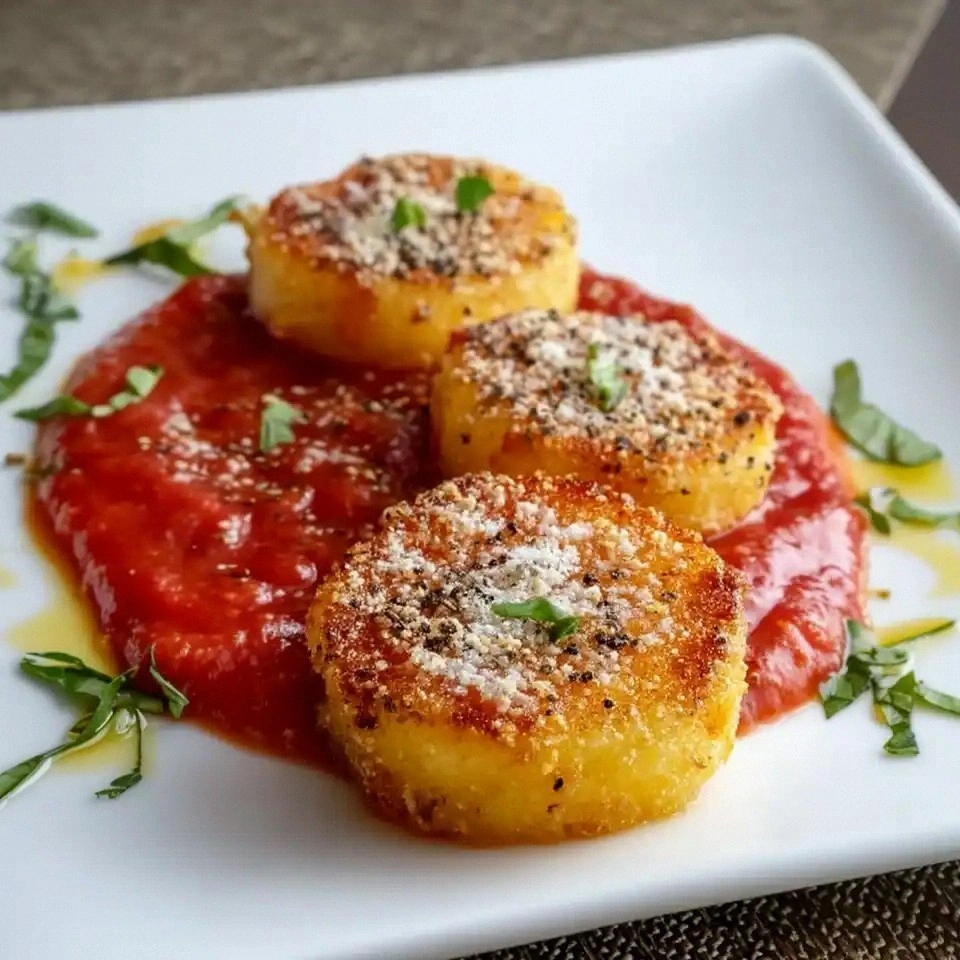
- Texture: The pan‑fried polenta develops a crisp, golden crust that shatters like thin ice, while the inside stays luxuriously creamy.
- Simplicity: All you need is a tube of prepared polenta, a splash of olive oil, and a few pantry staples—no fancy equipment or long prep times.
- Uniqueness: The combination of crispy edges and a rich marinara coating is a flavor pairing that most recipes overlook.
- Crowd Reaction: At my last dinner party, the dish stole the show; guests were asking for the recipe while others were still chewing.
- Ingredient Quality: Using a high‑quality marinara and fresh basil makes a world of difference, turning a simple dish into a gourmet experience.
- Make‑Ahead Potential: The entire dish can be assembled and frozen, then baked fresh when you’re ready to serve.
Alright, let’s break down exactly what goes into this masterpiece…
Inside the Ingredient List
The Flavor Base
The marinara sauce is the heart of this dish. A cup of a robust, tomato‑rich sauce brings a tangy brightness that cuts through the buttery polenta. If you skip the sauce, you lose the essential umami layer that keeps the dish from feeling dry. For a richer flavor, add a splash of red wine before simmering the sauce for a few minutes.
The olive oil is more than a cooking medium; it’s the vehicle that creates the golden crust. A half cup of extra‑virgin olive oil is enough to coat the pan and give each square a glossy sheen. If you prefer a slightly lighter flavor, use a blend of olive oil and neutral oil like grapeseed.
Salt is the silent enhancer that brings out the sweetness of the tomatoes and balances the richness of the Parmesan. A half teaspoon is sufficient for four servings, but feel free to adjust to taste. Remember, the polenta itself contains some sodium, so keep the salt moderate.
The Texture Crew
The polenta itself is the star of the show. A tube of prepared polenta (18 oz) is pre‑cooked, which saves you the time of making polenta from scratch. This convenience allows you to focus on creating that perfect crispy edge. If you’re adventurous, try a corn polenta for a sweeter, nuttier flavor profile.
The Parmesan cheese adds a salty, nutty crunch when sprinkled on top. A quarter cup of freshly grated cheese melts into the hot sauce, creating a silky coating that enhances every bite. If you’re lactose intolerant, a vegan parmesan alternative will give you the same flavor punch.
Red pepper flakes provide a subtle heat that lingers on the tongue. A pinch is enough to give the dish a gentle kick without overpowering the other flavors. If you’re a heat lover, feel free to double the amount.
The Final Flourish
Fresh basil leaves are the finishing touch that adds a bright, herbaceous note. They release a sweet, peppery aroma when torn over the hot polenta. Use basil leaves from a garden or a fresh bunch from the market for the best flavor. If you’re out of basil, a pinch of dried oregano will suffice.
The combination of these ingredients creates a harmony of flavors that is both comforting and exciting. Each component has a role that, when balanced, elevates the dish from simple to sensational. This is the secret behind the dish’s success and why it feels like a culinary revelation.
Everything’s prepped? Good. Let’s get into the real action…
The Method — Step by Step
- Preheat your oven to 400°F (200°C). While the oven warms, place the tube of prepared polenta in a shallow dish and let it sit at room temperature for about 15 minutes; this helps it firm up for frying. This step is crucial for achieving that perfect crisp.
- Heat a large cast‑iron skillet over medium heat and pour in the half cup of olive oil. Swirl the pan to coat the bottom evenly. Once the oil shimmers, add the polenta squares in a single layer, leaving a little space between each piece.
- Cook the squares for 3–4 minutes on each side, or until they develop a deep golden brown crust. Flip them carefully with tongs, and watch the sizzle; that sound is a sign the edges are crisping beautifully. Don’t overcrowd the pan, or the squares will steam instead of fry.
- While the polenta is frying, pour the marinara sauce into a small saucepan and heat it over low heat until it simmers. Add a pinch of red pepper flakes and a splash of water to thin the sauce slightly; this makes it easier to coat the polenta later. Keep the heat low to avoid burning the tomatoes.
- Once the polenta squares are golden, transfer them onto a baking sheet lined with parchment paper. Pour the warm marinara sauce over the squares, ensuring each piece is coated evenly. The sauce should cling to the crispy edges, creating a glossy, savory finish.
- Sprinkle the grated Parmesan cheese over the sauced polenta while it’s still hot; the heat will melt the cheese into a silky coating. This step adds a salty, nutty layer that balances the sweetness of the tomatoes.
- Return the baking sheet to the oven for 8–10 minutes, or until the cheese is bubbly and the sauce is slightly caramelized. The final bake ensures the sauce thickens and the edges remain crisp.
- Remove the sheet from the oven and let the polenta cool for a minute. This pause allows the sauce to set slightly, making the squares easier to handle.
- Transfer the polenta to a serving platter and garnish with fresh basil leaves and a dusting of red pepper flakes. The basil adds a fresh, green contrast, while the flakes give a final pop of heat.
- Serve immediately while the edges are still hot and crisp. Pair with a light salad or a glass of crisp white wine for a balanced meal.
That’s it — you did it. But hold on, I’ve got a few more tricks that’ll take this to another level. These insider tips will help you avoid common pitfalls and elevate the flavor profile even further.
Insider Tricks for Flawless Results
The Temperature Rule Nobody Follows
Maintaining a steady medium heat during frying is essential. Too high a temperature will burn the outside before the inside cooks, while too low a temperature will result in greasy squares. Use a thermometer if you’re uncertain; aim for 350–375°F (175–190°C). This keeps the oil at a consistent temperature and guarantees even browning.
Why Your Nose Knows Best
Smell the polenta as it fries; a golden, nutty aroma signals the perfect crunch. If the smell is faint or metallic, the oil is too hot. Trust your nose—your sense of smell is a reliable indicator of doneness.
The 5-Minute Rest That Changes Everything
After the final bake, let the polenta rest for five minutes on the baking sheet. This brief pause allows the sauce to thicken and the edges to firm up, preventing them from becoming soggy when you cut into them. It also lets the flavors meld together beautifully.
Use Fresh Basil, Not Dried
Fresh basil leaves release a bright, green flavor that dried leaves cannot match. Tear the leaves just before serving to preserve their aroma. If you’re out of basil, a handful of fresh oregano leaves will give a similar herbal note.
Keep the Oil Clean
If you plan to fry multiple batches, strain the oil between batches to remove any debris. This keeps the oil from becoming bitter and ensures each batch has a clean, crisp finish. Reusing oil is fine, but only if you filter it properly.
Creative Twists and Variations
This recipe is a playground. Here are some of my favorite ways to switch things up:
Mediterranean Medley
Swap the marinara for a roasted red pepper sauce and add chopped olives. The smoky pepper flavor pairs beautifully with the crunchy polenta. Finish with crumbled feta for a tangy twist.
Cheesy Spinach Surprise
Stir in a handful of fresh spinach into the sauce before baking. The spinach adds color, nutrition, and a subtle earthiness. Top with shredded mozzarella for an extra gooey layer.
Spicy Cajun Kick
Season the polenta squares with a pinch of Cajun spice before frying. The spicy seasoning will mingle with the red pepper flakes for a bold, fiery finish. Serve with a cool yogurt dip to balance the heat.
Sicilian Twist
Add a drizzle of balsamic glaze to the finished dish for a sweet, tangy contrast. Toss the polenta in a handful of arugula for peppery freshness. The combination is reminiscent of a classic Sicilian street food.
Vegan Version
Use a vegan marinara, a dairy‑free Parmesan alternative, and a splash of olive oil. The flavors remain rich and satisfying, and the dish is completely plant‑based. This version is perfect for a vegan dinner party.
Storing and Bringing It Back to Life
Fridge Storage
Store leftover polenta in an airtight container in the refrigerator for up to 3 days. The crisp edges may soften slightly, but reheating will restore the crunch. Keep the sauce separate if possible.
Freezer Friendly
Freeze the fried polenta in a single layer on a parchment‑lined tray before transferring to a freezer bag. This prevents the pieces from sticking together. Freeze for up to 2 months for maximum freshness.
Best Reheating Method
Reheat frozen or refrigerated polenta in a preheated oven at 375°F (190°C) for 10–12 minutes, or until the edges are crispy again. Add a splash of water to the sauce before reheating; this steams it back to perfection and keeps it from drying out.